


In the ever-changing landscape of security technology, Closed-Circuit Television (CCTV) has stood the test of time, constantly adapting and advancing to meet the growing demands of safety and surveillance. From grainy black and white footage to crystal-clear digital streams, CCTV has undergone a transformation that reflects the broader technological revolutions of our times. This journey from the early days of bulky VCR tapes to the sleek efficiency of cloud storage tells a story of innovation and the unyielding human desire to create safer communities and businesses.
In the beginning, CCTV systems were rudimentary at best. They were often limited to simple camera-to-monitor setups, recording blurry images on VCR tapes that would degrade over time. The storage was cumbersome, the retrieval process was time-consuming, and the quality of the video was often insufficient for identifying perpetrators or understanding events clearly. These limitations, however, laid the groundwork for the sophisticated systems we rely on today.
As the digital age dawned, the world of surveillance entered a new era. The introduction of Digital Video Recorders (DVRs) in the 1990s revolutionized the way footage was stored and managed. No longer did businesses have to change tapes and worry about storage space; digital systems could compress and store vast amounts of data with ease. This transition marked the beginning of a rapid evolution that would see CCTV become one of the most potent tools in the arsenal of security professionals.
The next leap forward came with the advent of Internet Protocol (IP) cameras and network-based surveillance. The move away from analog systems to networked digital video introduced a level of flexibility and quality previously unimaginable. Surveillance footage could now be accessed and shared over the internet, cameras could be placed and connected without the restrictions of coaxial cable lengths, and software advancements allowed for an unprecedented level of detail and clarity.
In this blog post, we will delve into the fascinating evolution of CCTV technology, exploring how each advancement has contributed to creating a more secure and surveilled world. Join us as we unravel the tape, pixel by pixel, from the magnetic reels of the past to the cloud-based future.
The Early Days of CCTV

CCTV’s inception can be traced back to the 1940s when it was first used for monitoring rocket launches. Its potential for broader security applications was quickly realized, but widespread adoption was initially hindered by the limitations of the technology of the time. The images captured were often black and white, grainy, and hard to decipher. Furthermore, the reliance on VCR tapes posed significant challenges. The tapes could only hold a limited amount of footage, which meant they needed frequent changing and storage was a logistical nightmare. Despite these early hurdles, the potential of CCTV to deter crime and provide invaluable records of events was undeniable.
The Digital Revolution
The shift from analog to digital was a watershed moment for CCTV technology. With the introduction of Digital Video Recorders (DVRs) in the 1990s, suddenly, video could be recorded digitally, bypassing the need for physical tapes. This shift not only improved the storage capacity and longevity of the footage but also its quality. Digital recordings allowed for quicker search and retrieval, making it far more practical for security monitoring and investigations. The digital revolution laid the groundwork for the sophisticated surveillance systems we see today, but it was just the beginning.
The Network Era

The arrival of Internet Protocol (IP) cameras was the next major evolution in CCTV technology. Unlike their analog predecessors, IP cameras sent and received data via a computer network and the internet. This allowed for much greater flexibility in installation and monitoring. Footage could be accessed remotely, and the cameras themselves could be powered over Ethernet, reducing the need for complex wiring. This era also introduced scalability in surveillance systems, with businesses able to add cameras and integrate systems much more easily than before.
Rise of High-Definition
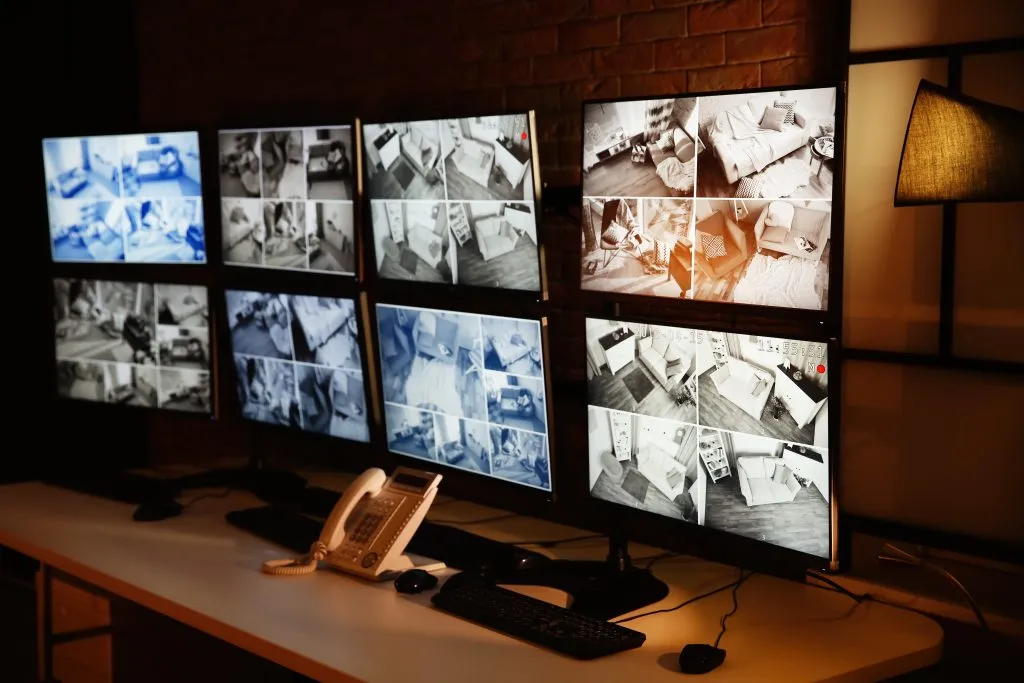
High-definition (HD) brought about another transformative change in CCTV technology. The jump from standard to high definition meant clearer images, finer details, and an increase in the potential for identification and analysis in surveillance footage. HD CCTV cameras became crucial in contexts where identification was necessary, such as in banks or at high-security events. The clarity also allowed for the use of video analytics, which could identify suspicious behavior or track movement patterns.
Smart Surveillance
The integration of Artificial Intelligence (AI) and machine learning marked the advent of smart surveillance. These systems could now learn from the footage they captured, recognizing and alerting to unusual patterns or potential threats without human intervention. Features like facial recognition and behavior analysis opened new avenues for security, from tracking known shoplifters in a mall to monitoring crowd behavior for signs of unrest.
Cloud-Based Solutions
The latest stage in the evolution of CCTV is the migration to cloud-based storage solutions. By leveraging cloud technology, surveillance systems can now offer unlimited storage capabilities, enhanced disaster recovery, and flexible access to footage from anywhere in the world. This advancement has not only made surveillance more robust and scalable but has also introduced new service models, where security can be provided as a service rather than an owner-operated infrastructure.
Cybersecurity and CCTV
With advancements in CCTV technology, especially with networked and cloud-based systems, cybersecurity has become an essential consideration. Protecting the data captured by CCTV systems from unauthorized access and ensuring the integrity of the footage is paramount. Implementing strong encryption, regular software updates, and secure user authentication has become as crucial as the physical security the cameras provide.
The Future of CCTV
Looking to the future, CCTV is set to become even more integrated with emerging technologies such as the Internet of Things (IoT) and 5G networks. These will enable faster data transfer rates, more extensive networks of cameras, and even greater analytical capabilities. The potential for real-time global surveillance networks is on the horizon, offering unprecedented levels of security and insights.
Conclusion
The evolution of CCTV from VCR tapes to cloud storage is a story of technological triumph. Each stage has provided a leap forward in security capabilities, transforming the way businesses and public spaces are monitored and protected. As we continue to embrace new technologies, the role of CCTV in our lives becomes ever more integral, ensuring our safety and security in an uncertain world.

